Opportunity Cost with Gordon Ramsay and Uber Eats
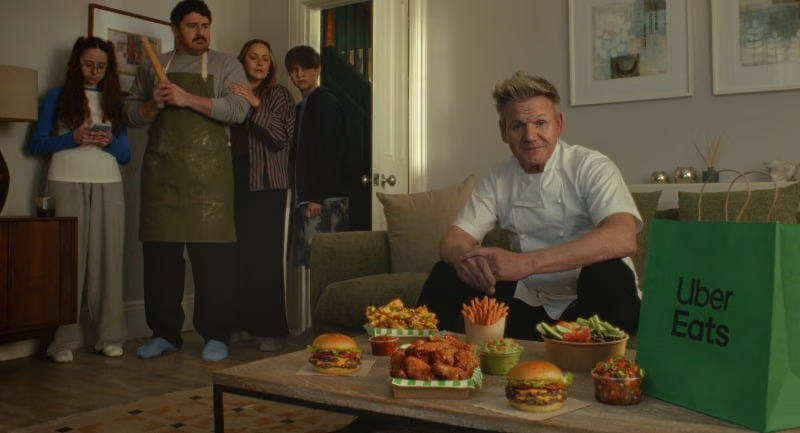
This is an advertisement for Uber Eats ran during the 2026 World Cup. It shows Gordon Ramsey delivering food as people are busy in the kitchen whilst key World Cup football (soccer) action takes place. The opportunity cost of cooking food is missing a goal or key play.
ACARA Alignment: ACHEK017
Clip Length: 1:05 minutes
Year: 2026
URL: https://youtu.be/RKM5PxZuKK8?si=Tt02QtCH5jDtjwow
Economics Concepts: Opportunity cost
- Invite students to raise their hand if they watched any of the 2026 World Cup. This could be reframed as another sport you know is popular amongst your students.
- Next show the clip
- Explain how people in the clip are giving up watching key moments in a World Cup game to prepare dinner. This is their opportunity cost. It is the next best option, which is clearly watching the World Cup.
- The opportunity cost of cooking is missing the match not the cost of the food.
- Now ask students if they have a regular takeaway dinner night where they don’t cook at home. Create a table on the whiteboard and ask students which option they would pick, get students to suggest takeaway options, limit it to 5 options. Get students to raise their hand to vote for their preferred takeaway options.
| Dinner (Takeaway) Option (Cost) | Votes |
| Pizza ($26) | |
| Fish & Chips ($17) | |
| Indian ($28) | |
| Thai ($25) |
- Get students to raise their hand to vote for their preferred takeaway options.
Then count the votes, the second placed option is the opportunity cost of the food the class most prefers. For example, my class voted for pizza as their favourite Friday night takeaway food! Thai the second placed option. The cost of the Thai ($25) is the opportunity cost of the pizza, NOT the cost of the pizza.