Economics Teaching Guides
Takeaway night, what are you eating?
This Aussie TikToker ranks takeaway food available in the United Kingdom by personal preference. This is a nice way to introduce monopolistic competition and can be followed up by an activity listing favourite takeaway foods which the students can then rank.
Fiscal policy & negative gearing
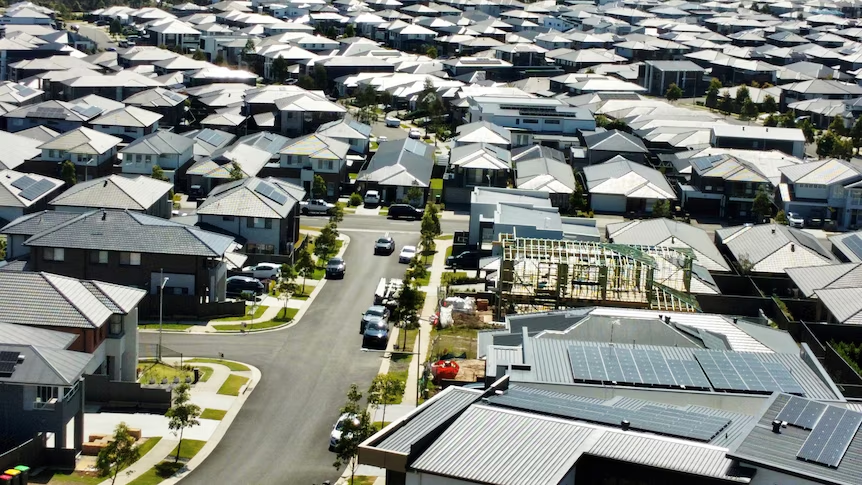
The 2026 budget is trying to change inequity in the Australian housing market. The Guardian explains the budget and how it is removing tax incentives for purchasing investment properties. This is an example of a fiscal policy that is trying to improve the standard of living for Australians.
Smartphones are killing population growth
Smartphones are killing off population growth rates, with a marked global decline in population since they first hit the shelves in 2007. Watch this 2-minute clip by Alan Kohler as he unpacks why population growth rates are declining and suggests there is a correlation between smartphones and sex, this impacts income tax revenue as he outlines and the government’s ability to pay for pensions.
Australia has wasted its wealth
How effective is the government in improving living standards this clip by an UK Economics Youtuber goes through how Australia became a wealthy nation and how it has not capitalised on our export of raw resources.
Aussie soldiers can’t replace a light globe!
Productivity is a critical indicator of our one working person’s ability to produce output. How do government rules and regulations impact a person’s productivity? This clip gives an insight into it and can be a launch pad to discussing how regulations are impacting Australia’s economic performance.
Working from home
A short clip by Alan Kohler ABC News discussing the trend to work from home and what is driving it: narcissistic bosses. Australians with preschool and school-age children are more likely to work from home, and there has been an overall increase in remote work since the COVID-19 pandemic.
Shopping in the Outback
Prices for water, fresh fruit and vegetable costs more in Outback Australia than in capital cities, this can be linked to the limited supply (usually only one supermarket) (aka a monopoly) and relatively inelastic demand by consumers.
Knock off time
In this clip by the Inspired Unemployed, full-time tradies stop work as soon as the clock hits 3pm and start to dance. The assumption is they are in full time work, and it has finished for the day. A good clip to introduce types of employment and discuss labour force productivity.
The bitter truth about chocolate
SBS News discusses how the cost of producing a chocolate egg has increased, leading to higher Easter Egg prices or smaller product sizes. Variable costs of producing a chocolate egg have increased and in response firm’s have either increased the sale price of their egg or reduced the size (shrinkflation).
Australia’s housing market
Alan Kohler from ABC News analyses housing demand by considering factors such as migration, net births, and deaths. He calculates housing supply based on the estimated time required to build a house and data on housing approvals. Alan demonstrates that the market is not in equilibrium, as demand currently exceeds supply.

When water isn’t water
The ABC's Gruen show discussing the market demand for water; by positioning it as a healthy alternative to soft drinks, it increases market demand. Advertising shifts market demand; consumers are willing to purchase more of it at a higher price.
Who could cook at a time like this?
This is an advertisement for Uber Eats ran during the 2026 World Cup. It shows Gordon Ramsey delivering food as people are busy in the kitchen whilst key World Cup football (soccer) action takes place. The opportunity cost of cooking food is missing a goal or key play.
Are you ready for it?
When Taylor Swift came to Australia in 2024 some fans went to great lengths to secure tickets, whilst others were happy paying for tickets seating them behind a concrete pillar. This clip is a great one to highlight how consumers aren’t always rational, there is limited supply of concert tickets far outstripped by demand and the opportunity costs differ (e.g. a parent not wanting to face their 12-year-old daughter being upset or another Swifty calling in sick so they could line up to try to buy tickets).
From the Baby Boomers to a Baby Crisis
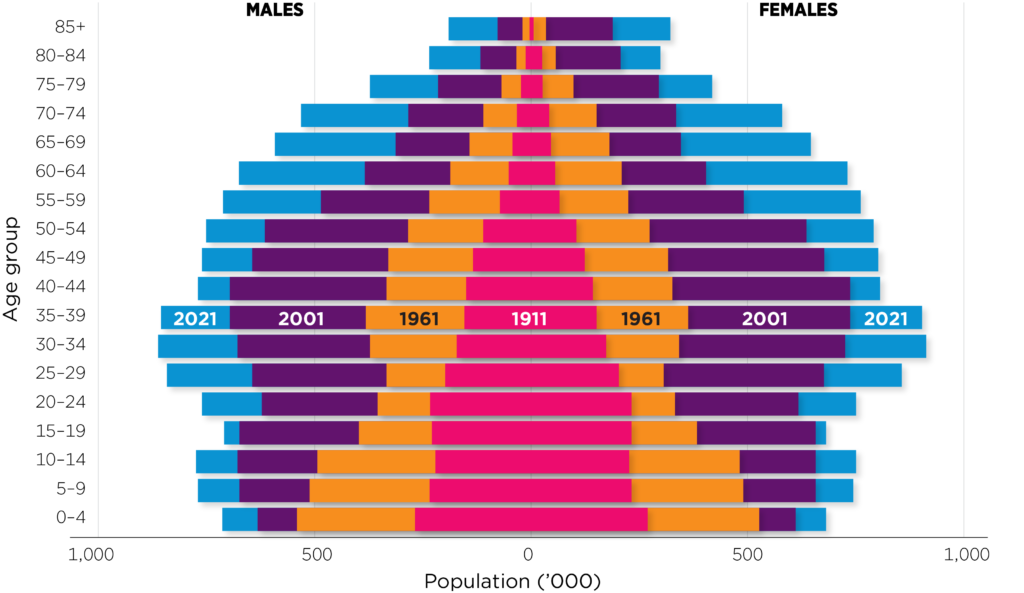
This short clip released in September 2026 highlights how Australia's homegrown population growth has decreased from the high's of the baby boomer years (3.5 kids per female) to now (less than 2.1 kids per female - replacement rate). A good way to discuss labour participation rates now and in the future and the role of migration.
Fabulous or Foul? The role for prefab buildings to meet supply shortages
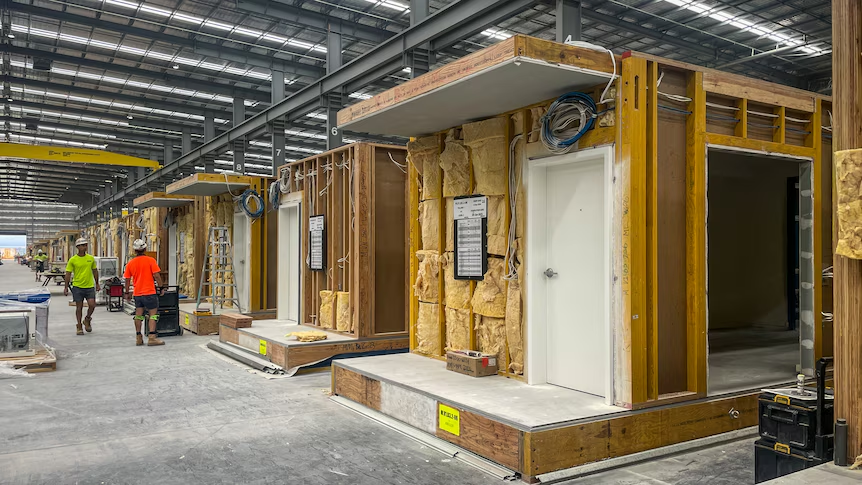
This ABC News clip by Alan Kohler discusses ways to increase housing supply in Australia through prefabricated homes made from concrete. It can also be used to discuss production externalities.