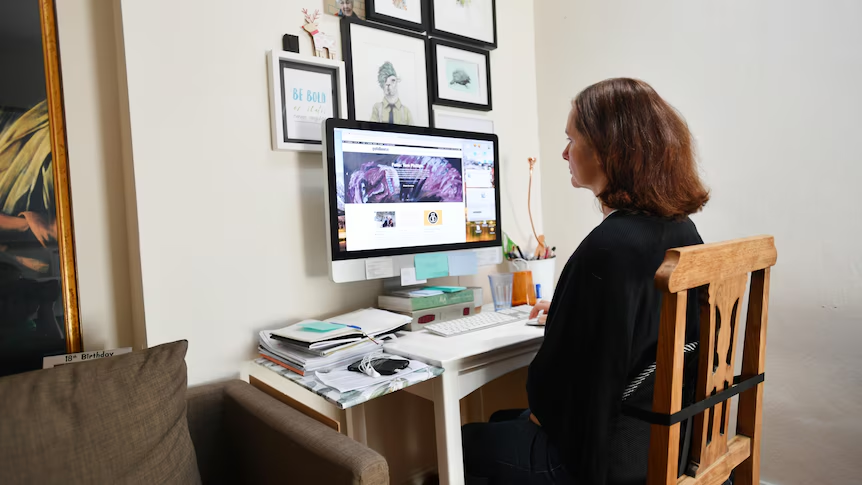
Narcissistic bosses and WFH.
A short clip by Alan Kohler ABC News discussing the trend to work from home and what is driving it: narcissistic bosses. Australians with preschool and school-age children are more likely to work from home, and there has been an overall increase in remote work since the COVID-19 pandemic.
ACARA Alignment: ACHEK020
Clip Length: 1:58 minutes
Year: 2026
URL: https://youtu.be/YPSJXORRqSg?si=u3C8OS-GVHDHaUdU
Economics Concepts: Full-time work, remote work, factors influencing work habits
- Put up a meme such as the one below before class starts
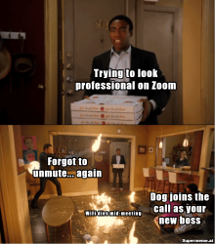
- Show the video clip
- Then break the class into 3 groups and give each group one of the scenarios below. The group will need to create a 2-minute skit they will present to class illustrating the office vibe.
Group A: “The Narcissistic Boss Office”
- Boss interrupts constantly
- Requires unnecessary meetings (e.g. to discuss office lunchroom fridge storage process, meeting to discuss when printer should be used)
- Micromanages every task
- Employees must ask permission for trivial things (e.g., “Can I adjust my chair?”)
Group B: “The Supportive Office”
- Boss trusts staff
- Flexible hours
- Clear communication
- Focus on outcomes (getting things done!), not surveillance
Group C: “The Remote Work Crew”
- Students act out WFH life
- Balancing kids, pets, laundry, Zoom calls
- Show both advantages and challenges
- After the skits are presented ask students:
- Which one looked more productive?
- Which one looked more stressful?
- Which one would they prefer?
- Why might more people want to work from home?
- What are the economic benefits employees experience with working from home?
- What are the challenges for employers?
Finally, as an assessment task to reinforce their learning students can write a short reflection on “How will remote work shape Australia’s workplaces by 2035?” In this they should reference the clip, and at least one economic factor (productivity, opportunity costs, circular flow, urban economic development)